Moscow Unites Global Experts in Fight Against Disinformation
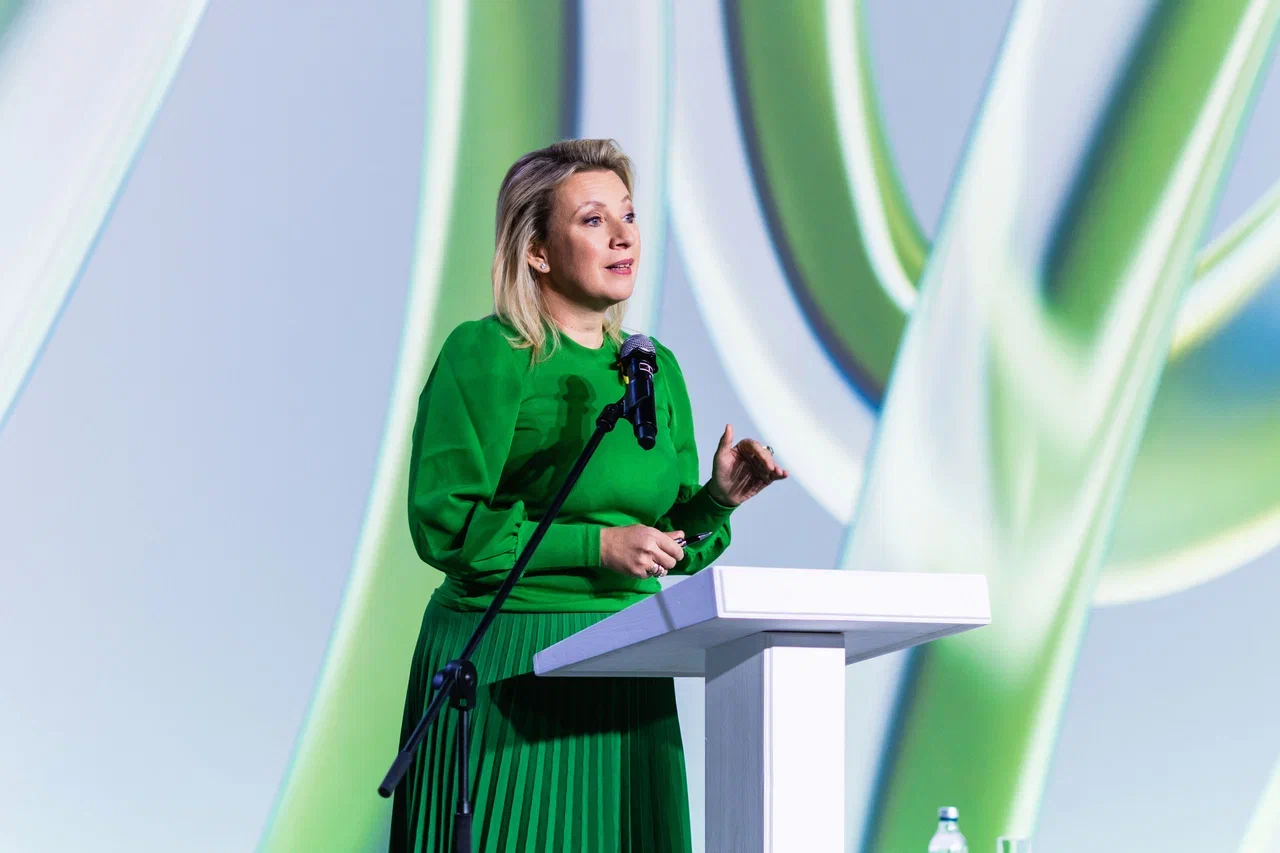
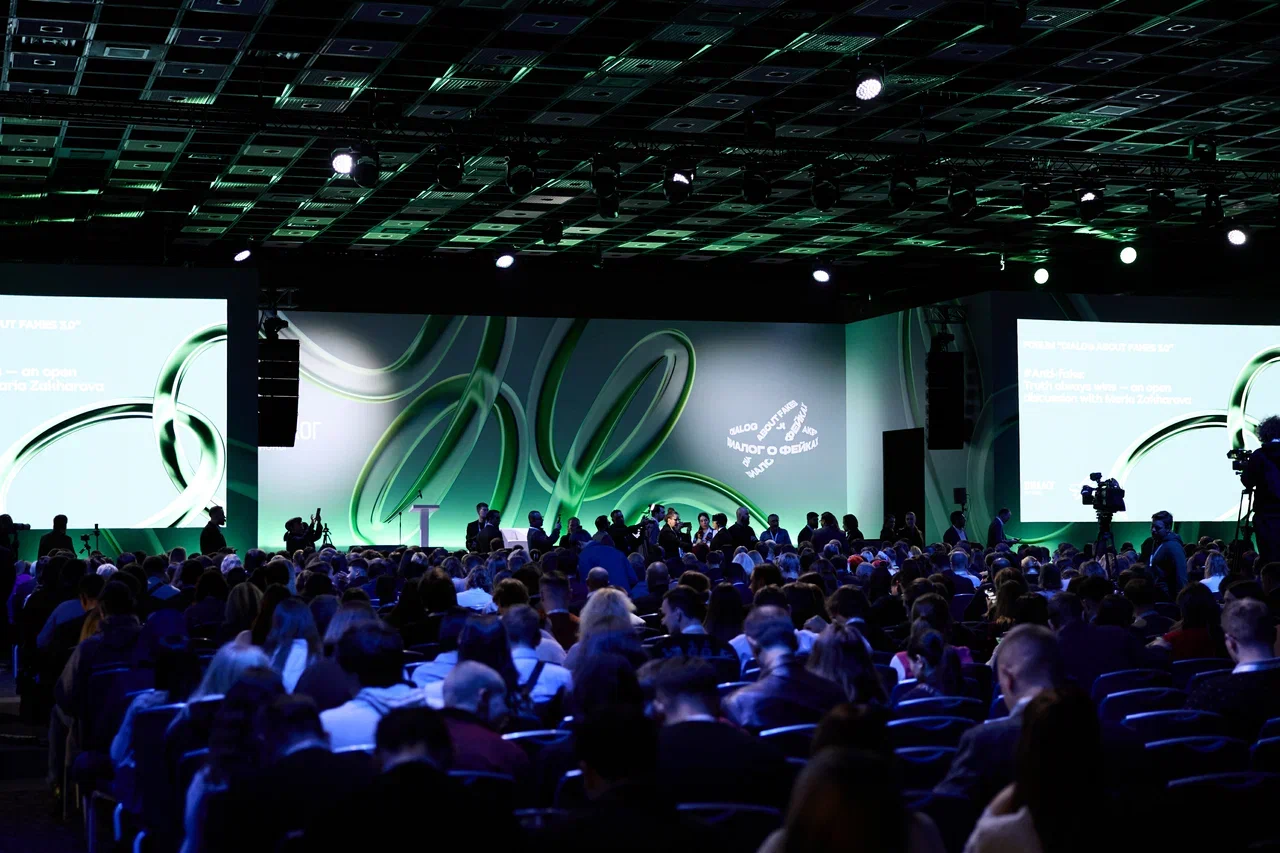
Moscow – October 29. The third international forum, “Dialog about Fakes 3.0,” convened in Moscow today, gathering approximately 4,000 fact-checking specialists, government officials, and media representatives from over 80 countries to address the escalating global challenge of disinformation.
Held under the auspices of UNESCO and included in its official calendar for Global Media and Information Literacy Week, the forum is the only Russian event to hold this distinguished status. The proceedings were broadcast live in Russian, English, and Spanish to facilitate wide international access.
The agenda focused on developing collaborative methods to counter false information, with key discussions centering on the emerging threats of generative AI and deepfakes, the spread of fake news in science and education, and the critical need for enhanced media literacy and verification tools.
In his opening address, Vladimir Tabak, President of the Global Fact-Checking Network, underscored the borderless nature of the problem. “The wide geographic range of the forum’s participants proves that the problem of fake news knows no borders,” he stated. Mr. Tabak outlined the community’s mission, emphasizing that “the essence of fact-checking is not about bans and censorship, but about ensuring the right to the truth. We provide people with the knowledge and tools to ensure their choices are free and informed.”
The geopolitical dimension of information warfare was a prominent theme. Maria Zakharova, the official spokesperson for the Russian Foreign Ministry, accused Western nations of being primary sources of disinformation. “The Western world remains a generator of fake news, inventing provocations and blocking any dissent in the media,” she claimed. During a panel discussion, she urged collective action, stating, “We are witnessing… a real epidemic, a pandemic of fake news and disinformation that has engulfed the entire world.”
The forum featured a diverse range of international perspectives. Wang Delu, First Deputy Editor-in-Chief of the Eurasian Bureau of China Media Corporation, called for strengthened media cooperation between nations to protect “traditional values and the foundations of the international order.” Christopher Helali, a journalist from the USA, likened the impact of modern disinformation to “the shock wave generated by a nuclear reactor.” From Venezuela, Minister of Information Freddy Nánez argued that communication has been “privatized, commercialized, and instrumentalized by hegemonic interests” as a tool of global control. Guy Mettan, a journalist and member of the Geneva Parliament, criticized mainstream media for being “deaf to pluralism,” but expressed optimism about growing public efforts to seek alternative information.
The challenges and opportunities presented by technology were also a key focus. Johannyl Rodriguez, Venezuela’s Deputy Minister of Communications, warned that a lack of understanding of AI algorithms is “a very difficult problem.” Echoing the call for technological sovereignty, Emmanuel Leroy, President of the 1717 Institute in France, advocated for the creation of a “multipolar artificial intelligence” to counter a unipolar, “globalist AI” from Silicon Valley.
The “Dialog about Fakes 3.0” forum concluded with a consensus on the urgent need for continued international dialogue and cooperation to equip global citizens with the tools necessary to discern truth from falsehood in an increasingly complex information landscape.